Koh Laoliang
Ferry & speedboat crossings, schedules and prices — bookable in seconds.
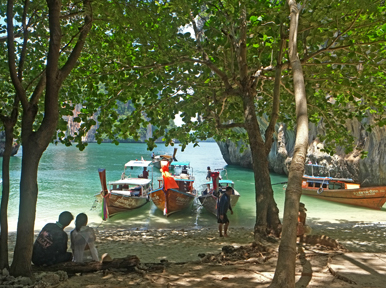
Photos are for illustration and may not show current conditions. Report this photo
Koh Laoliang Information
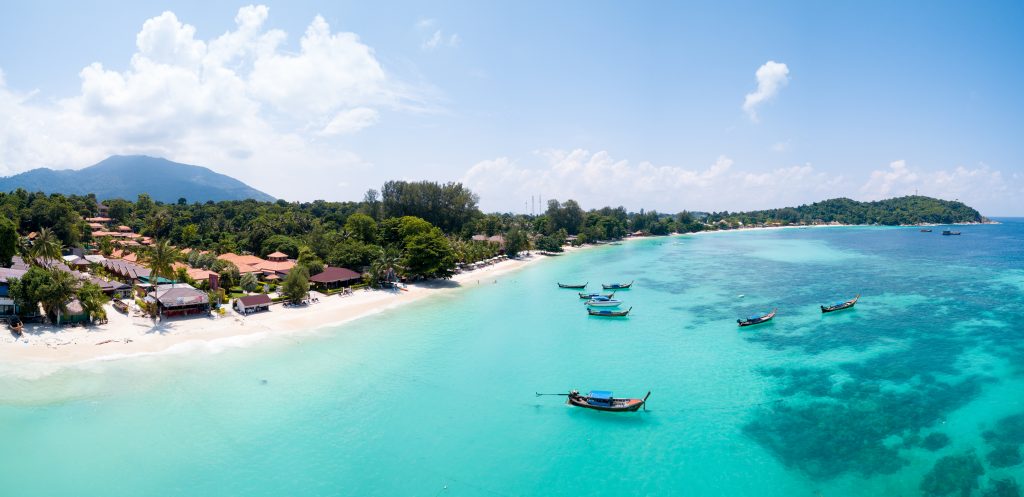
Koh Laoliang
Koh Laoliang Travel Guide
Koh Laoliang is a small, secluded island in southern Thailand, tucked between the Andaman Sea's limestone cliffs and clear turquoise water. It's a favourite for travellers seeking a quiet beach escape, dramatic scenery and rock climbing, away from the busier islands nearby.
Destination Overview
Koh Laoliang is made up of two small islets connected by a narrow sandbar, ringed by white sand beaches and steep limestone walls. It sits in the Trang province area of the Andaman coast, within reach of better-known islands such as Koh Lanta, Koh Kradan and Koh Mook.
Due to its size and remote setting, the island has limited facilities, which is part of its appeal for visitors looking to disconnect. There are no towns, main roads or shopping streets here — the island is essentially a beach, a cliff face and the sea around it.
That scale shapes the way people visit. Most travellers treat Koh Laoliang as a short, deliberate stop within a longer Andaman trip rather than a base for day trips, and they arrive with a plan for how they will leave again.
How to Get to Koh Laoliang
Getting to Koh Laoliang typically involves a combination of overland travel and a boat crossing, since the island itself has no airport or road access. Most travellers arrive by first reaching a mainland pier or a nearby island hub, then continuing by boat to Koh Laoliang.
In practice, that means thinking about your journey in two parts: the overland leg that brings you to the coast, and the sea leg that completes the trip. Booking both together, in one search, is usually simpler than arranging them separately on the day.
Main Departure and Arrival Points
Common gateways used to reach this part of the Andaman coast include piers around Trang province, as well as connecting points on nearby islands. Depending on where you're travelling from, you may first need a bus, minivan or private transfer to a coastal pier before boarding a ferry or speedboat bound for Koh Laoliang.
Arrival is typically directly onto the beach rather than at a built pier, so keep luggage manageable and be ready for a short wade or small-boat transfer at the end of the crossing.
Nearby Transport Connections
Travellers often combine transport types to reach the island, such as:
- Bus or minivan services connecting major towns and airports to coastal piers
- Private transfers for a more direct, door-to-pier journey
- Ferry or speedboat services for the final leg to Koh Laoliang
Because service availability can vary by season, it's worth checking current options before planning your route. Our search shows the connections that are actually running on your travel date, along with our transport partners and current fares from our online fares.
Popular Routes To and From Koh Laoliang
Typical journeys to Koh Laoliang link it with nearby islands and mainland transport hubs along the Trang and Krabi coastlines. Many visitors travel via a nearby island or pier as part of a wider Andaman island-hopping itinerary, combining Koh Laoliang with stops such as Koh Lanta or Koh Kradan.
Altogether we list several routes connections touching this stretch of coast. If you're building a longer trip, it's worth comparing ferry and transfer routes to Koh Lanta and onward crossings to Koh Kradan, both of which sit on the same island-hopping chain and often work well either side of a stay here.
Practical Travel Information
As a small, low-key island, Koh Laoliang has limited infrastructure, so it's a good idea to plan your transport in advance rather than expecting frequent on-the-day departures. Sea conditions can also affect boat schedules, particularly outside peak travel months, so building some flexibility into your plans is recommended.
A few points worth keeping in mind before you travel:
- Carry enough cash for your stay — facilities are limited and card payment may not be available
- Bring anything you rely on, including medication, chargers and toiletries, as there are no shops on the island
- Expect basic power and connectivity, and plan around it rather than assuming full coverage
- Allow buffer time between your island crossing and any onward flight or long-distance connection
- Check whether your booking covers the whole journey or only one leg of it
Because the island is highly seasonal, some services do not operate year-round. Rather than assuming a fixed timetable, check live availability for your dates — schedules, our transport partners and vehicle types shown at booking reflect what's genuinely bookable.
What to See and Do
Koh Laoliang is best known for its rock climbing routes on the island's limestone formations, along with swimming, snorkelling and relaxing on its quiet beaches. The laid-back, off-grid atmosphere makes it a popular choice for travellers wanting a break from more developed tourist areas.
The climbing walls rise straight out of the sea, and the sheltered water in front of the beach suits kayaking and easy snorkelling. Evenings are quiet, with little in the way of nightlife — the appeal is the setting rather than the amenities.
Booking Your Transport
Whether you need a ferry, bus, minivan or private transfer to reach the piers and connections serving Koh Laoliang, you can compare and book your onward journey directly through our site. Enter your departure point and date to see available services, prices from our online fares and the operators running them.
This page is also available in our other supported languages via the language selector, so you can plan your trip in the language that suits you best.
Search Availability
Ready to plan your trip? Search availability now to find ferry, bus, minivan and private transfer options connecting to Koh Laoliang.
Frequently asked questions
Where is the pier that my ferry departing from?
Phuket Ferry :
We understand that pier details are important to our customers. That’s why we’ve made the information as clear as possible. Your departing pier address is clearly shown on your e-ticket, which we sent to your email. Additionally, go to our Pier Information page for the most comprehensive local pier information you can find anywhere. Finally, if you still need more information, contact our Customer Service Agents; we are happy to help.
Ferry Samui :
FWe understand that pier details are important to our customers. That’s why we’ve made the information as clear as possible. Your departing pier address is clearly shown on your e-ticket, which we sent to your email. Additionally, go to our Pier Information page for the most comprehensive local pier information you can find anywhere. Finally, if you still need more information, contact our Customer Service Agents, we are happy to help.
Bali Ferry :
We understand that pier details are important to our customers. That’s why we’ve made the information as clear as possible. Your departing pier address is clearly shown on your e-ticket, which we sent to your email. Additionally, go to our Departure Point Information page for the most comprehensive information you can find anywhere. Finally, if you still need more information, contact our Customer Service Agents, we are happy to help.
What are the tourist seasons ?
Phuket Ferry :
Phuket really just has two seasons, which are known as "high season" and "low season" (or "green season"). During the low season months (May- September), boat numbers are reduced. During the high season (October - April), boats to the surrounding islands are increased so you will have some more options.
Ferry Samui :
There are three distinct weather seasons on the tropical island of Koh Samui: the dry season (December until February), the hot season (March until August) and the rainy season (September until November).
Bali Ferry :
Bali actually has a variety of tourist periods, notably around the Balinese New Year, 15 December - 15 January, and 1 June - 30 September. During these high traffic periods, boats to the surrounding islands are increased so you will have some more options. The quieter periods are between 16 January - 30 April and 1 October - 14 December historically.
Will bad weather affect my travels?
Ferries are large and can usually operate in the rain, except in extremely bad weather. During storms or strong winds, the journey may take a little longer than usual.
Speedboats are more likely to be canceled than ferries. If a trip is canceled due to bad weather, you can choose to receive a refund or reschedule. Please note that refunds for bad weather are only issued if the ferry operator cancels the trip.
On rough days, we recommend bringing motion sickness medication and taking it about 20 minutes before boarding if you are prone to seasickness. Boat staff may also provide Dramamine upon request, but you will need to remain indoors during rough conditions. On sunny and calm days, the sun deck is open for passengers to enjoy the weather.
What's the boarding process on the day of my trip?
At the pier named on your ticket, look for the staff of the ferry operator listed on your ticket as well. Please present your e-ticket (QR code) from your phone or other device—they’ll provide you with a sticker and/or boarding pass and direct you to your boat. Most piers have staff available to help load your luggage. In Koh Samui, staff are usually stationed at booths near the boarding area; at other locations, they’re typically near the boats, wearing their company uniforms.
When will I receive my ticket confirmation?
After completing your online booking, your reservation will remain in “Pending” status until it is processed. Once confirmed, we will send your e-ticket via email. The process is usually very quick.
On the day of travel, please present your e-ticket to the ferry staff at the relevant booking counter. If you do not receive your confirmation within 24 hours, contact us immediately.
What are the baggage allowances?
Your ferry e-ticket includes ferry transport, baggage fees, and handling. The free baggage allowance per person is 20–25 kg, depending on the operator. If your baggage exceeds this limit, you can pay the extra fee directly to the ferry operator in cash.
To check the baggage allowance for your specific trip, please refer to the trip details for your selected route.