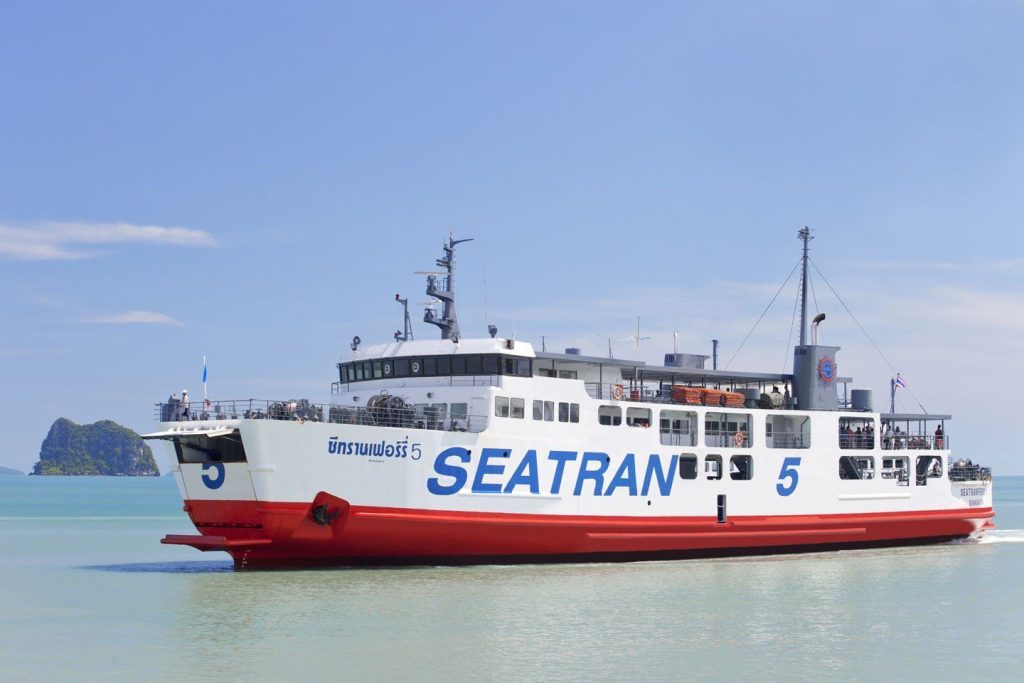
Seatran Ferry: routes, boarding and booking guide
This Seatran Ferry routes, boarding and booking guide is for anyone crossing the Gulf of Thailand between the Surat Thani mainland and the islands offshore. Seatran Ferry is one of the operators serving the Gulf of Thailand, connecting the mainland with the popular islands in the Surat Thani province. If you are planning a trip to Koh Samui, Koh Phangan or the surrounding area, this guide explains what Seatran Ferry services generally involve, how to prepare for your crossing, and how to book with confidence.
Where Seatran Ferry operates
Seatran Ferry runs crossings in the Gulf of Thailand, linking the Surat Thani mainland with islands that are among Thailand's best-known beach destinations. Travellers commonly use these services to reach island resorts, dive spots and coastal towns without a long overland detour.
Because exact routes, piers and timings can change with the season and operator planning, always confirm the specific departure point and destination for your date before you travel.
Surat Thani province covers a stretch of mainland coast plus the islands that sit off it, so a single trip often involves two different kinds of movement: a road leg along or towards the coast, and a sea leg out to the island. Knowing which leg you have booked — and which pier it starts from — is the single most useful piece of preparation you can do.
Popular island destinations
- Koh Samui — a large island with a wide range of beaches, towns and accommodation.
- Koh Phangan — known for its bays and beach culture.
- Koh Tao — a smaller island popular with divers and snorkellers.
If you are comparing options, check the individual route pages on our site to see which crossings and connections are available for your travel dates.
Choosing between the islands
The three islands suit different trips. Koh Samui works well if you want a choice of towns, beaches and places to stay in one place, and it is often the easiest island to combine with onward travel. Koh Phangan appeals to travellers who want bays and beach culture, and it is a common second stop after Samui. Koh Tao is the smallest of the three and draws divers and snorkellers above all, so it tends to be the island people build a trip around rather than pass through.
Many visitors island-hop rather than pick one. If that is your plan, look at each island's route page in turn and check the crossings for your dates, since availability between islands is not always the same as availability from the mainland.
What to expect at the pier
Ferry travel in this region usually starts at a mainland pier, where you check in and wait in a boarding area before being directed to the vessel. Arrive with time to spare so you can find the correct pier, complete check-in and board without rushing.
Piers in the region vary in size. Some are simple terminals with a ticket counter, seating and a small shop or two; others handle several operators at once, which makes it worth checking the signage and asking staff to confirm you are in the right queue. Vehicle loading, where it applies, is separated from foot passengers, so follow the direction you are given rather than the crowd.
Check-in and boarding, step by step
- Arrive at the pier named on your confirmation, not simply the nearest pier to your hotel.
- Present your booking at the counter or to staff and collect whatever boarding document or sticker is issued.
- Hand over larger bags if they are being stored separately, keeping your small bag with you.
- Wait in the boarding area until your departure is called, then board as directed.
Announcements may be made in Thai and English, and departures can be called at short notice, so stay within earshot of the boarding area once you have checked in.
Practical tips before you board
- Keep your booking confirmation accessible, either printed or on your phone.
- Carry a valid ID or passport, as you may be asked to show it.
- Label your luggage clearly, especially if bags are stored separately during the crossing.
- Bring water, sun protection and any motion-sickness remedies you might need.
A charged phone and a screenshot of your confirmation are worth having in case mobile data is patchy at the pier or on board. If you take motion-sickness medication, take it before departure rather than once the crossing is under way.
Luggage and what to bring
Most ferry services allow standard personal luggage, but handling arrangements vary. Larger bags may be placed in a designated storage area rather than kept with you. Keep valuables, documents and electronics in a small bag you carry on board.
Travelling with bulky or unusual items — surfboards, dive gear, bicycles, musical instruments — is worth checking in advance, as the arrangements for these are not the same everywhere and are not something we can confirm generically. If your allowance or any oversized-item handling matters to your trip, check the conditions shown for your specific crossing at the time of booking.
Connecting to and from the ferry
Many island trips combine a ferry crossing with land transport, such as a transfer between a bus station, airport or town and the pier. When you plan your journey, look for combined tickets or connecting services so your arrival and departure line up smoothly. Our route pages can help you see how ferry and land segments fit together.
A combined ticket has a practical advantage beyond convenience: the segments are planned to connect, so you are not guessing how much buffer to leave between a bus arrival and a sailing. If you book segments separately instead, allow generous time between them, particularly on the outbound leg where a missed connection can cost you a day.
Getting back to the mainland
Return journeys deserve the same attention as arrivals. Island piers can be some distance from where you are staying, and travel across an island takes longer than a map suggests. If you have a flight or a long-distance bus to catch on the mainland, work backwards from that departure and leave a comfortable margin for the crossing and the road leg that follows it.
Planning your trip
The Gulf of Thailand is a busy travel corridor, and demand rises during peak holiday periods. To avoid disappointment, plan ahead, especially for weekend and high-season travel. Confirm the pier, route and connection details for your chosen date rather than assuming last year's arrangements still apply.
Sea conditions in the Gulf change through the year, and crossings can be adjusted or cancelled in poor weather. This is outside any operator's control, so build a little flexibility into tight itineraries — an extra night on the mainland or the island before an international flight is cheap insurance compared with missing it.
Travelling with children or in a group
Groups move more slowly through check-in than single travellers, so add time at the pier. Keep everyone's documents together with one person, and agree a meeting point in the boarding area before you split up to buy food or use the facilities. Any child fares, age bands or group conditions are shown with the specific service when you search, so check those at the point of booking rather than assuming a standard rule.
How to book Seatran Ferry
You can compare crossings and book online through our platform. Enter your route and travel date to see what is available, then select the option that suits your schedule and complete your booking in a few steps. Review the details on your confirmation carefully, including the pier and any connecting transport.
Live availability, departure times, journey durations and prices are shown against each crossing when you search, and those results are the reliable source for your date — they reflect the current schedule rather than a general description. Booking conditions, including whether a service can be changed or refunded, are also displayed with the option you select, so read them before you pay.
Before you confirm, check
- The departure pier and the arrival pier, both by name.
- The date and departure time, and how long the crossing takes.
- Whether your ticket includes a land segment and where that segment begins.
- Passenger names and details, so they match the ID you will carry.
- The booking conditions shown for that service.
Takeaway
Seatran Ferry crossings are a straightforward way to reach the Surat Thani islands, and most problems travellers hit are avoidable ones: the wrong pier, too little time at check-in, or a connection booked too tightly. Confirm the details for your own date, arrive early, and keep your documents to hand.
Ready to travel? Search availability for your Seatran Ferry crossing and book online today, and read the destination information for Koh Samui, Koh Phangan and Koh Tao to plan what you will do once you arrive.